
How to Choose an Automatic Pet Feeder (Without Overfeeding)
September 8, 2026 · Editorial Team
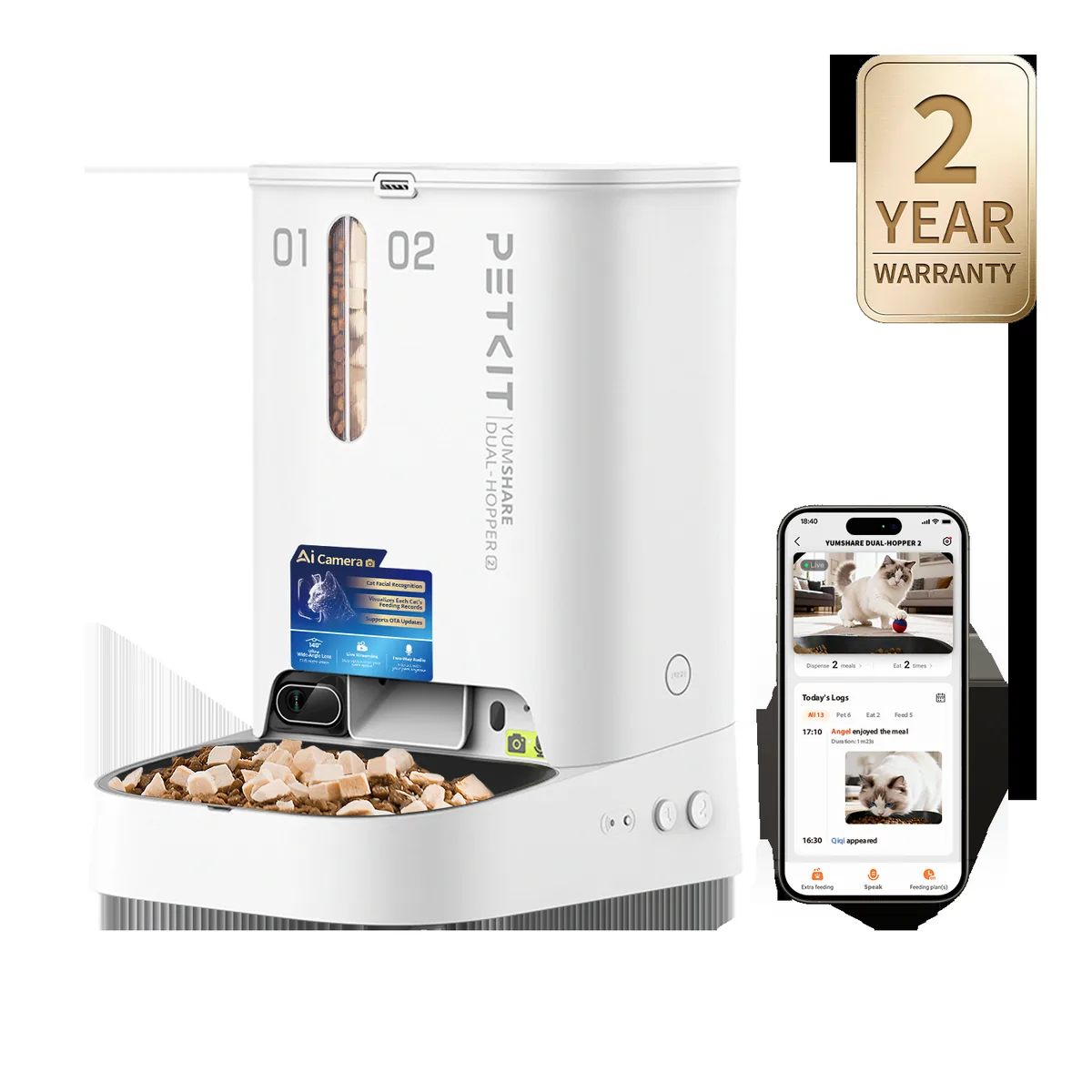
Our Top Pick
An automatic feeder is a motorized portioner for dry food. It is not a diet plan, not a camera babysitter, and not a substitute for a veterinarian. Used well, it helps you stick to portion-controlled meals on a schedule. Used poorly, it just automates overfeeding.
We are the Pet Standings editorial team. We are not veterinarians or veterinary nutritionists. Weight, illness, or special diets belong with your clinic.
Why portion control matters
Veterinary nutrition guidance treats portion-controlled feeding—premeasured meals at regular times—as the best default for most adult dogs to help prevent obesity. The Merck Veterinary Manual notes that some dogs can free-feed without gaining weight, but most cannot. Treats should stay under about 10% of daily calories so the main diet stays balanced.
The American Veterinary Medical Association emphasizes healthy weight as more than a number on a scale: body condition, veterinary check-ins, and a plan matched to your pet. A feeder that dumps a generous cup three times a day because the bag chart looked friendly can still leave a pet overweight.
Bag-label feeding charts are starting points. Calorie needs vary with age, neuter status, activity, and body condition. Adjust with your veterinarian, not only with the feeder’s default portion size.
What an automatic feeder actually does
Most units in our automatic feeders ranking dispense dry kibble on a timer or app schedule. Typical building blocks:
- 1. Hopper — stores a multi-day supply (capacity matters for travel weeks and large dogs).
- 2. Portion mechanism — cups, grams, or “portions” per meal.
- 3. Schedule — on-device buttons, LCD, or Wi-Fi app.
- 4. Bowl — plastic, stainless, or glass; washability matters.
- 5. Backup power — battery pack or D-cells so a wall outage does not skip meals.
A camera on the feeder is optional hardware. It does not feed the pet. Video subscriptions are separate from meal scheduling on several brands we scored.
Dry food only (for these rankings)
The models we researched are dry-food feeders. Wet food, refrigerated “polar” coolers, and selective microchip lids are different product categories. If your pet eats wet food only, do not buy a dry hopper and hope.
Kibble size limits matter. Manufacturer pages often list a maximum kibble diameter; freeze-dried pieces may jam machines designed for standard kibble.
Criteria that actually change the buy
1. Portion honesty
Prefer named portion increments you can map to a kitchen scale. Cup markings on a scoop and “1 portion” in an app are not always the same thing. Weigh a week of meals once, then program the feeder to match.
2. Backup power path
If backup batteries are sold separately or not in the box, a power outage can still miss meals. Put cells in on day one and check them on a calendar. Our ranking penalizes missing or unclear backup paths.
3. Offline schedules
Wi-Fi helps remote changes. Local schedules that keep running when the network drops matter more when you travel. Confirm whether meal timing continues offline, or only when the cloud is happy.
4. Pet-proof lid and anti-jam notes
Smart dogs tip hoppers. Look for a locking lid and any named anti-blockage / reverse-clear feature. Jam detection is not magic; sticky or oversized kibble still fails.
5. Multi-pet reality
A dual hopper can serve two dry recipes in one meal. It does not stop a second pet from finishing the first pet’s bowl unless you have a microchip or selective-access lid (a different product class). Face recognition that logs who approached is not a lockout door.
6. Subscription traps
Some brands let you schedule meals for free and charge only for video history. Others push cloud plans harder. Our scoring docks feeders that require a paid plan just to schedule meals.
How we rank feeders on Pet Standings
We score researched U.S. manufacturer pages on quality (portion/hopper/schedule), safety (backup power, jam notes, bowl hygiene, pet-proof lock), ease (app or on-device programming, offline schedules, desiccant, dual-pet hardware on that SKU), and value (listed USD, no required meal-schedule subscription). Camera hardware is not extra credit. Full methodology lives on the automatic feeders category page.
Setup checklist (first week)
- 1. Confirm the food is complete and balanced for your pet’s life stage (see FDA’s primer on “complete and balanced” pet food and AAFCO statements on the bag).
- 2. Weigh daily portions; do not trust the bag alone if your vet already set a calorie target.
- 3. Install backup batteries before the first overnight alone.
- 4. Run a test dispense while you watch.
- 5. Wash the bowl on a schedule; stainless/glass bowls are easier to keep clean.
- 6. Recheck body condition in two to four weeks and adjust portions with veterinary guidance.
Who should skip a smart feeder
- Pets on strict wet-only or prescription wet diets the machine cannot hold safely.
- Households that free-feed successfully and keep ideal body condition (rare, but real).
- Pets that need mealtime supervision for choking, resource guarding, or medication timing you cannot automate safely.
Disclosure
We may be paid by companies we feature. This may influence rankings. Product cards below point at feeders we already researched. We did not invent veterinary endorsements or jam-rate lab tests.
Sources
Merck Veterinary Manual — Feeding Practices in Small Animals; AVMA — Your pet’s healthy weight; FDA — “Complete and Balanced” Pet Food; manufacturer pages cited in our automatic-feeders ranking methodology.
More Picks We Love
The six U.S. pet insurers we have verified from public policy pages — not a guessed list.
Frequently Asked Questions
Will an automatic feeder stop my pet from gaining weight?▾
Only if the portions match a calorie plan that keeps healthy body condition. The machine automates whatever amount you set — including too much.
Do I need Wi-Fi?▾
Not always. Some units program on-device. Wi-Fi helps remote changes; confirm offline meal continuity either way.
Are treat calories part of the plan?▾
Yes. Veterinary nutrition guidance commonly keeps treats under about 10% of daily calories so the main diet stays balanced.
Are you veterinarians?▾
No. We are the editorial team. Weight management and medical diets need your veterinarian.
Where are the ranked feeders?▾
Our automatic feeders ranking lists researched dry-food models. This article is the buying checklist.
Want the rest of our research?
Browse Pet Standings hubs for dogs, cats, food, and health. We only publish ranked product cards when we have verified the items.
See ranked automatic feeders →