
Robot Litter Box Buying Guide: Sensors, Drawer Days, and Fit in 2026
September 12, 2026 · Editorial Team
Our Top Pick
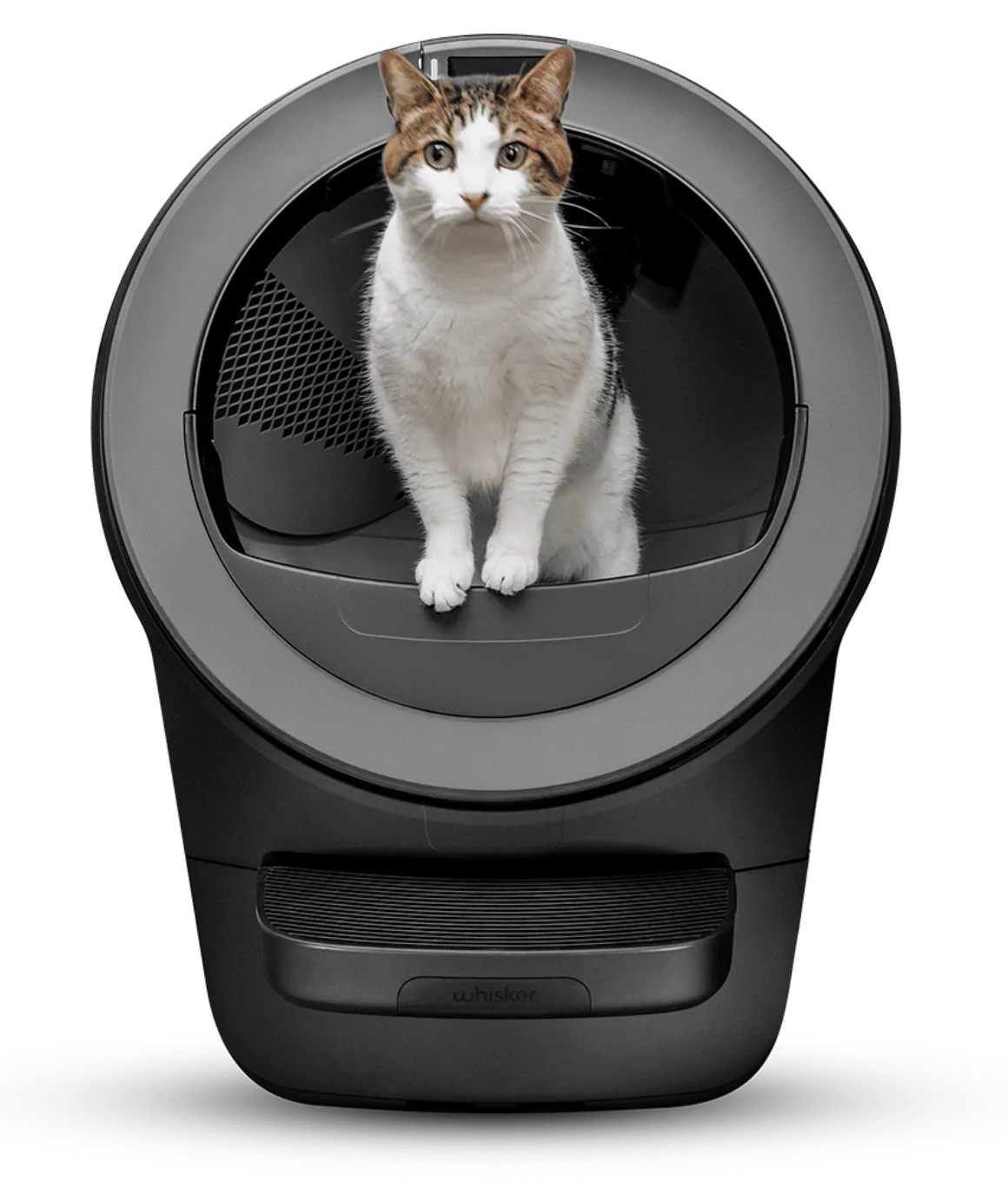
A robot litter box (self-cleaning globe, drum, or rake) is a motorized appliance that separates clumps into a waste drawer after your cat leaves. It is not a medical device. It does not diagnose kidney disease, cystitis, or "solve" peeing outside the box. Behavior and health still come first.
We are the Pet Standings editorial team. We are not veterinarians. Sudden litter-box avoidance, straining, blood in urine, or crying while eliminating belongs with your veterinarian immediately.
Why cleanliness still beats clever motors
The ASPCA litter-box problems guide frames elimination issues around management, medical rule-outs, and preference — not gadgets. Core ASPCA points that still apply when you shop a robot:
- Scoop and clean often. Dirty boxes are a top reason cats leave the box.
- Box count: one box per cat plus one extra (n+1).
- Access and size matter; geriatric or limited-mobility cats may struggle with high sides or awkward entry.
- Many cats prefer clumping, unscented litter and dislike hoods or liners.
- ASPCA notes that self-cleaning boxes are generally cleaner than traditional types and many cats accept them — but if a cat starts eliminating outside the box on a robot, try a traditional open box.
A robot can help you keep a sealed drawer cleaner between empties. It does not replace the n+1 rule, a quiet location, or a vet visit when urination changes.
Globe/drum vs rake-in-tray: what you are actually buying
Retail "automatic litter box" tags mix very different machines. On manufacturer pages we score:
- Globe or drum that sifts clumping litter into a sealed waste drawer — Litter-Robot family (Whisker) and PetSafe ScoopFree SmartSpin / OpenSky style units on our ranking.
- Rake-over-tray / crystal cartridge systems — different ownership model (often brand trays). We score those axes separately when researched.
- Open-top robot vs covered globe — OpenSky is open-top; Litter-Robot is a covered globe. Cat preference is real; ASPCA notes many cats dislike hoods on traditional boxes, so acclimation and a backup open box still matter.
We do not invent odor-chamber lab scores or Amazon-star averages. We score documented sensors, drawer claims, litter lock-in, trials, and price bands from U.S. manufacturer pages.
Criteria that actually change the buy
1. Cat-presence sensors and weight floors
Ask what the PDP publishes:
- Exit / in-globe sensors that delay or stop a cycle while a cat is inside
- Published kitten / weight floor (Whisker SafeCat language: lasers, weight sensors, anti-obstruction; automatic mode from about 3 lb on current Litter-Robot pages)
- Semi-automatic options for cats under the floor
A rake or drum with no documented presence sensor is a different safety story. We are not a pinch-force lab — we only score what makers document.
2. Drawer interval, sealing, and odor path
Useful PDP claims:
- Sealed carbon-filtered waste drawer
- Stated 1-cat empty interval (example: Litter-Robot 5 ~10 days; Litter-Robot 4 ~8 days; Litter-Robot EVO ~7 days — manufacturer figures for one cat)
- Waste-level sensing beyond a binary "full" light (Litter-Robot 5: any-level sensing + WasteID urine vs feces on Whisker's comparison chart)
More drawer days only help if you actually empty on schedule and keep a spare traditional box in multi-cat homes.
3. Litter lock-in vs ordinary clumping clay
Whisker Litter-Robot pages steer toward clumping clay (GreatLitter recommended; crystal/plant litters restricted on current language). PetSafe SmartSpin / OpenSky market ordinary clumping litter into a sealed drawer — different lock-in profile than crystal-tray ScoopFree lines.
If your cat already refuses a litter texture, changing to a robot's required litter can create a new aversion. ASPCA still advises offering preference tests with side-by-side boxes when litter dislike is suspected.
4. Footprint, entry height, and multi-cat caps
Match the SKU ladder to the household:
- Litter-Robot 5: up to 5 cats, about 3–30 lb, larger drawer, WasteID — list about $799 (as listed on Whisker when we researched)
- Litter-Robot 4: up to 4 cats, about 3–25 lb, LitterHopper autofill sold today — list about $699
- Litter-Robot EVO: up to 2 cats, about 3–19 lb, smaller footprint, step included — list about $599
- PetSafe ScoopFree SmartSpin: value drum under $400 list class with exit sensor and sealed drawer
- ScoopFree OpenSky: open-top, higher weight cap (33 lb on maker page), bigger drawer than SmartSpin
A Maine Coon household is the wrong fit for EVO's 19 lb ceiling — Whisker's own comparison steers large cats to 4 or 5.
5. Trial, warranty, and Wi‑Fi expectations
Whisker publishes a 90-day in-home trial and 1-year warranty language on current Litter-Robot pages. PetSafe trial/warranty terms differ by SKU — read the PDP, not marketplace overlays.
App weight/visit history is convenience, not a diagnosis. Do not treat WasteID or visit charts as a substitute for veterinary workups.
6. Noise, location, and the backup box
Place robots where the cat can see approaches and escape (ASPCA location guidance). Keep at least one traditional open box available during acclimation — especially if the cat dislikes covered spaces. Cycle noise and vibration are preference issues; QuietSift-style claims help only if your cat still enters the globe.
How we rank robot litter boxes on Pet Standings
We score researched U.S. manufacturer pages (Whisker Litter-Robot and PetSafe ScoopFree) on quality (mechanism, drawer, sensing), safety (documented sensors and weight floors), value (price band, litter lock-in, trial), and ease (auto cycle, quiet claim, carpet/step friction). Overall weighting and pending SKUs live on the robot litter boxes category page. We do not claim robots "cure" inappropriate elimination.
Buying checklist
- Rule out medical causes with your veterinarian if habits just changed.
- Keep n+1 boxes in the home — a robot counts as one box, not a license to drop extras.
- Decide covered globe vs open-top vs compact footprint before comparing list prices.
- Confirm weight range and cat count on the maker page (not a breed meme).
- Check litter requirements (clumping clay vs crystal trays).
- Prefer documented cat-exit / SafeCat-style sensors and a published kitten floor.
- Read empty-interval claims as manufacturer estimates for one cat — multi-cat homes empty sooner.
- Budget liners, filters, and replacement parts, not only MSRP.
- Use a 90-day trial window to test acclimation; keep a traditional backup box.
- Call the vet for straining, frequent tiny voids, or blood — not the app store.
Who should buy which style
- Multi-cat homes wanting max drawer days and WasteID — consider Litter-Robot 5 if budget and footprint fit.
- Households that want Whisker autofill sold today — Litter-Robot 4 still has LitterHopper available now on Whisker's 4 vs 5 notes.
- 1–2 smaller cats in a tight space — Litter-Robot EVO (watch the 19 lb cap).
- Budget clumping drum under $400 list — PetSafe ScoopFree SmartSpin.
- Cats that refuse covered globes — ScoopFree OpenSky open-top, accepting different sensing/feature depth vs Whisker.
Who should skip (or wait)
- Expecting a robot to replace a veterinary workup for FLUTD, stones, or cystitis.
- Dropping to a single box in a multi-cat home because the drawer "lasts a week."
- Kittens under the published automatic-mode weight floor without using semi-auto / supervised modes the maker documents.
- Cats with strong hood aversion unless you keep open boxes and plan a long acclimation.
- Anyone treating app charts as medical diagnosis.
Disclosure
We may be paid by companies we feature. This may influence rankings. Product cards below point at units we already researched on manufacturer pages. We did not invent reliability percentages, odor-lab scores, or veterinary endorsements.
Sources
ASPCA — Litter box problems; Whisker Litter-Robot 5 / 4 / EVO product pages and comparison chart; PetSafe ScoopFree SmartSpin and OpenSky manufacturer pages cited in our robot litter boxes ranking.
More Picks We Love
The six U.S. pet insurers we have verified from public policy pages — not a guessed list.
Frequently Asked Questions
Will a robot litter box stop peeing outside the box?▾
Not by itself. ASPCA ties elimination problems to cleanliness, box count, location, preferences, stress, and medical causes. A robot may keep the used box cleaner; it is not a cure.
How many litter boxes do I still need?▾
ASPCA: one per cat plus one extra. A robot counts as one box. Multi-cat homes still need extras and good placement.
Are self-cleaning boxes OK with cats?▾
ASPCA says many cats accept them because they stay cleaner, but if problems start on a robot, try a traditional open box.
Are you veterinarians?▾
No. We are the editorial team. Medical advice belongs with your veterinarian.
Where are the ranked robots?▾
Our robot litter boxes ranking lists researched Whisker and PetSafe models from manufacturer pages. This article is the buying checklist.
Want the rest of our research?
Browse Pet Standings hubs for dogs, cats, food, and health. We only publish ranked product cards when we have verified the items.
See ranked robot litter boxes →