
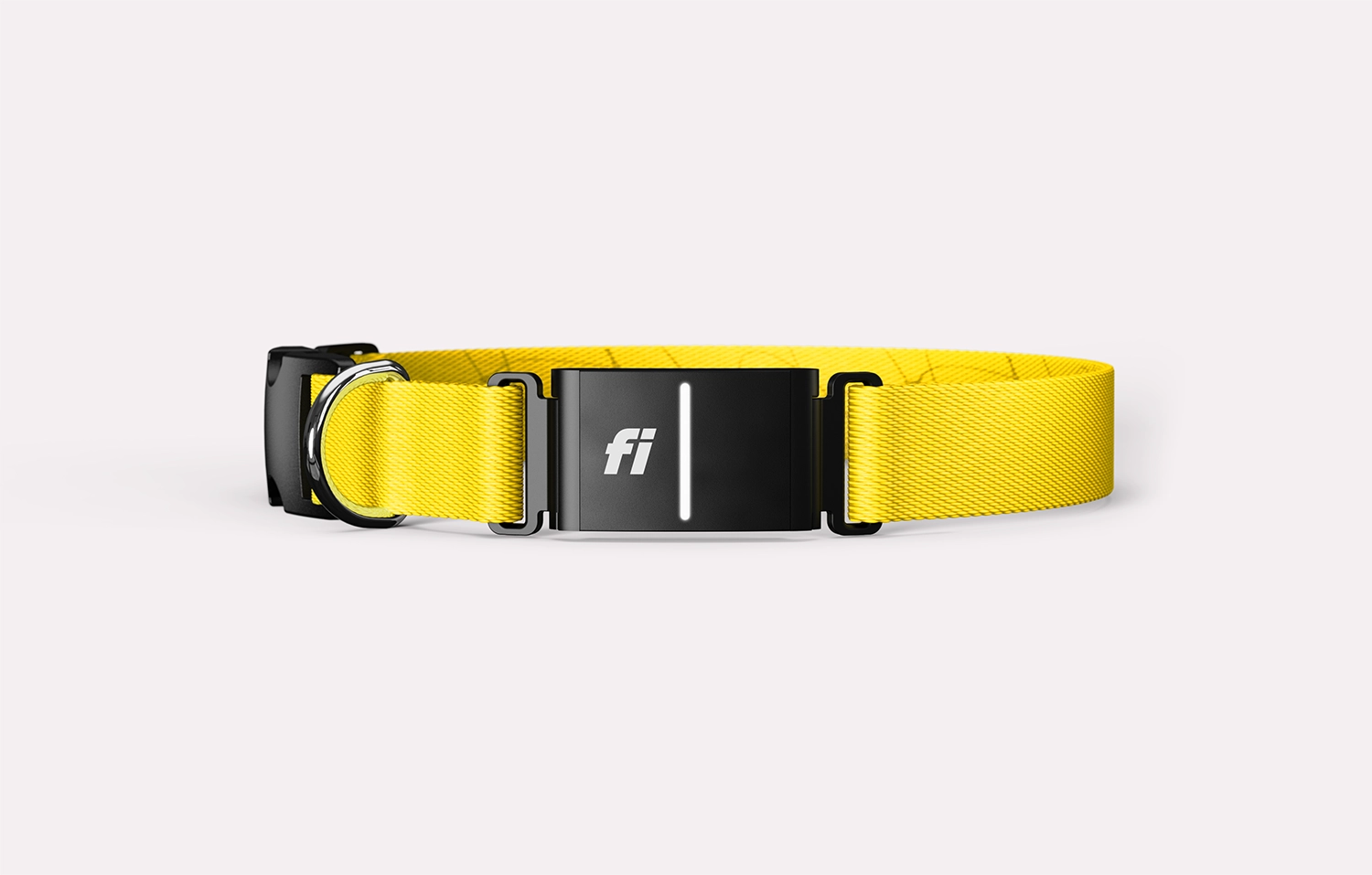
GPS Pet Tracker Buying Guide: What Actually Matters in 2026
September 9, 2026 · Editorial Team
Our Top Pick
A GPS pet tracker is a cellular device that reports your pet’s location to a phone app. It is not a Bluetooth crowd-finder, not a registered microchip, and not a substitute for ID tags, a fenced yard, or training. Used well, it shortens search time when a gate fails or a cat slips a door. Used poorly, it is an expensive clip that dies mid-weekend because the plan or the battery was an afterthought.
We are the Pet Standings editorial team. We are not veterinarians, trainers, or product engineers. Lost-pet emergencies still need neighbors, shelters, and local search plans.
GPS vs Bluetooth (and why AirTags are out of scope)
Cellular GPS trackers (the ones in our GPS pet trackers ranking) carry a built-in SIM. They fix a position with satellite GNSS, then send that fix over LTE (or similar) to the maker’s servers and your app. That path is why almost every live-tracking collar needs a subscription.
Bluetooth item finders work differently. Apple’s 2026 AirTag newsroom page states AirTag is “designed exclusively for tracking objects, and not people or pets.” Crowd-find networks need nearby phones; they do not replace live cellular GPS for a pet that leaves Wi-Fi and Bluetooth range. Our ranking excludes AirTag/Tile-style finders for that reason.
A GPS collar also does not replace a registered microchip. The American Veterinary Medical Association documents microchips as a primary way shelters and clinics reunite pets with families. Keep the chip registered and wear readable ID tags even if you buy a tracker.
What you are actually buying
Most U.S. cellular pet trackers share the same building blocks:
- 1. Hardware — clip-on module or integrated collar with GNSS + cellular radio.
- 2. Plan / membership — pays for the SIM data path and app features (live map, history, alerts).
- 3. Attachment — collar band in the box, clip for a collar you already own, or a cat safety-release.
- 4. Charge path — USB-C, magnetic puck, or a home base.
- 5. Alerts — virtual fence / escape notifications when the pet leaves a zone you drew.
Hardware MSRP is the sticker you see first. Three-year ownership is hardware + every renewal of the plan. Compare that total before you chase a cheap tag with a pricey membership lock-in.
Criteria that actually change the buy
1. Subscription math (not just device price)
Cellular tracking requires an active plan on Fi, Tractive, and similar lines. Manufacturer pages are explicit: the built-in SIM uses mobile networks, and those fees sit in the subscription. Look for:
- Published U.S. plan prices (monthly vs annual)
- First-term minimums (some memberships start at six months)
- Whether each pet needs its own plan
- What “live” updates cost vs slower default polling
Budget the plan you will keep, not the one-week promo.
2. Battery claims vs your charging habit
Maker pages publish “up to” runtimes that often assume power-saving zones or light live-tracking use. Ask:
- Days or months between charges on the SKU you are buying
- Whether live / lost-pet mode drains much faster
- Whether a home base or spare charger is in the box
A three-month battery claim only helps if you actually charge before a trip. Outdoor cats on a ~7-day claim need a weekly habit.
3. Coverage and network reality
“Unlimited range” in marketing usually means no Bluetooth distance cap, not magic in a cellular dead zone. Check:
- Named U.S. carriers on the maker’s chart (one carrier vs multi-carrier)
- Whether travel coverage (Canada/Mexico or 175+ countries) matters for your household
- Off-grid alternatives (VHF / satellite hunting collars) if you hike beyond cell — those are a different product class with handhelds and different fees
Your phone’s carrier does not have to match the collar’s carrier; the collar is its own cellular device on the maker’s network partners.
4. Collar fit and escape physics
Fit is a safety axis, not fashion:
- Published weight or neck-size windows
- Clip width limits vs your existing collar
- Cat safety-release / breakaway hardware (can come off in brush — that is the tradeoff)
- Integrated band vs clip-on you can move between collars
A tracker that falls off or chokes is worse than no tracker. Measure the neck; do not guess from breed memes.
5. Escape alerts and geofences
Virtual fences only help if:
- You draw zones that match real doors and yards
- Notifications are enabled and not silenced
- The device is charged and the plan is active
False alerts happen near fence edges. Test the zone on a leash walk before you trust it overnight.
6. Waterproofing ratings
Prefer a named IP rating on the maker page. IP67 / IP68 language generally means dust protection plus short submersion claims suitable for rain, mud, and many swims — always read the exact depth/time the manufacturer states. Splash-only marketing without an IP code is weaker for water dogs.
7. Radio compliance basics (FCC ID)
Cellular trackers are radio devices. Legitimate U.S. products carry FCC labeling on the device or packaging so you can look up the grant. You do not need to buy a separate SIM or manage an IMEI like a DIY phone hotspot; makers activate the embedded SIM through their app. Treat unlabeled no-name GPS clones with caution.
How we rank GPS trackers on Pet Standings
We score researched U.S. manufacturer pages on battery/quality, subscription/value, network/ease, and collar-fit/safety. We do not invent recovery-rate field tests or Amazon-star averages. Bluetooth crowd-finders and retired Whistle SKUs are out of scope. Full methodology lives on the GPS pet trackers category page.
Setup checklist (first week)
- 1. Confirm species and size: dog clip vs cat safety-release vs integrated collar.
- 2. Activate the plan before the first unsupervised outing.
- 3. Fit the collar so you can slip two fingers under the band; recheck after a run.
- 4. Draw a geofence and walk the boundary once while watching the app.
- 5. Charge on a calendar; note how fast live-tracking drains the pack.
- 6. Keep microchip registration and ID tags current (AVMA reunification guidance).
Who should skip a cellular GPS collar
- Pets that never leave supervised indoor space and have no escape history (nice-to-have, not must-have).
- Households that will not pay an ongoing plan — without membership, live cellular tracking stops.
- Deep off-grid hunting or wilderness use without cell — look at satellite/VHF systems designed for that, not phone-app LTE tags.
- Anyone expecting a Bluetooth item finder to behave like live GPS in empty rural areas.
Disclosure
We may be paid by companies we feature. This may influence rankings. Product cards below point at trackers we already researched on manufacturer pages. We did not invent veterinary endorsements, escape-recovery percentages, or lab battery drain curves.
Sources
AVMA — Microchips reunite pets with families; Apple Newsroom — AirTag designed exclusively for tracking objects, not people or pets; manufacturer pages cited in our GPS pet trackers ranking (tryfi.com, tractive.com, garmin.com support and product pages).
More Picks We Love
The six U.S. pet insurers we have verified from public policy pages — not a guessed list.
Frequently Asked Questions
Do GPS pet trackers need a subscription?▾
Almost all live cellular GPS collars do. The embedded SIM uses mobile networks; maker plans cover that data path and app features. Hardware alone does not keep live maps working.
Is an AirTag a GPS pet tracker?▾
No. AirTag is a Bluetooth crowd-finder. Apple’s 2026 newsroom copy says it is designed exclusively for tracking objects, not people or pets. Our ranking excludes those products.
Does a GPS collar replace a microchip?▾
No. AVMA guidance treats registered microchips as a core reunification tool when pets reach shelters or clinics. Keep the chip current and wear ID tags.
Are you veterinarians?▾
No. We are the editorial team. Medical, behavior, or emergency advice belongs with your veterinarian and local animal services.
Where are the ranked trackers?▾
Our GPS pet trackers ranking lists researched Fi, Tractive, and Garmin models from manufacturer pages. This article is the buying checklist.
Want the rest of our research?
Browse Pet Standings hubs for dogs, cats, food, and health. We only publish ranked product cards when we have verified the items.
See ranked GPS pet trackers →